Rotator cuff tears are one of the most common shoulder injuries, and one of the most misunderstood. Many patients hear the word "tear" and immediately assume surgery is the only path forward. But for a large portion of people dealing with rotator cuff injuries, physical therapy is not just an option. It can be the most effective treatment available.
Whether your tear happened during a weekend baseball game, built up over years of overhead work, or showed up gradually without any single obvious moment, rotator cuff injuries respond well to skilled, targeted physical therapy. At Hudson Point Physical Therapy in Poughkeepsie, NY, patients move from pain and limited mobility to full, active lives — and in many cases, without ever needing surgery.
Here is what you need to know about rotator cuff tear physical therapy, how recovery works, and what to expect from your first appointment.
What Is a Rotator Cuff Tear?
Your rotator cuff is made up of four muscles and their tendons that wrap around the shoulder joint. These muscles stabilize the shoulder and power virtually every arm movement — reaching overhead, throwing, lifting, and even sleeping comfortably on your side.
Rotator cuff tears fall into two categories. Partial tears involve damage to only part of the tendon. Full-thickness tears involve a complete rupture. Partial tears are far more common and typically respond very well to conservative treatment. Full-thickness tears can also benefit significantly from physical therapy, depending on the patient's age, activity level, and functional goals.
Common causes include:
- Acute trauma, such as a fall, a catch, or a collision during sport
- Repetitive overhead movements over months or years
- Age-related tendon degeneration, especially in patients over 40
- Poor shoulder mechanics that place chronic stress on the rotator cuff tendons
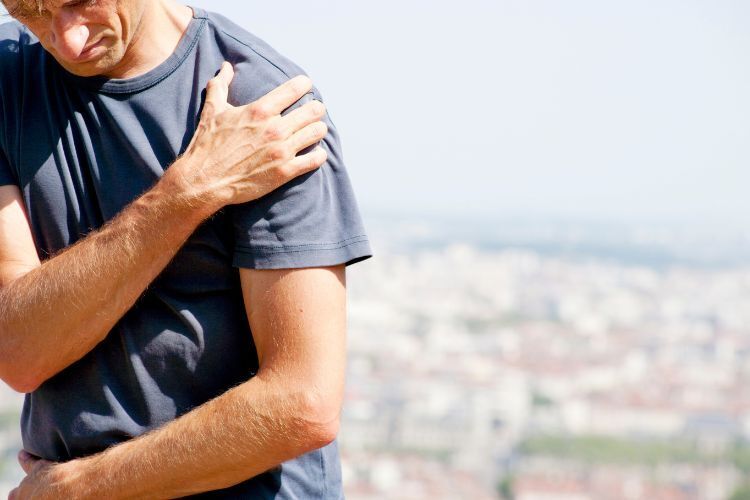
Symptoms typically include shoulder pain at rest and with movement, weakness when lifting or rotating the arm, a clicking or catching sensation in the joint, and pain that disrupts sleep.
Can Physical Therapy Heal a Rotator Cuff Tear?
This is one of the most common questions patients bring to Hudson Point Physical Therapy. Can physical therapy for rotator cuff tear actually heal the injury, or does it only manage symptoms?
Research consistently shows that physical therapy produces outcomes comparable to surgery for many patients with partial and full-thickness rotator cuff tears. A landmark study published in JAMA found that structured physical therapy alone resulted in significant improvement in pain and function, with most patients maintaining those gains two years later. For partial tears, conservative treatment is typically the recommended first-line approach before any surgical conversation takes place.
Physical therapy does not regrow torn tendon tissue. What it does is restore the function of the entire shoulder complex. Stronger surrounding muscles compensate for and protect the damaged tendon. Improved neuromuscular control reduces the risk of re-injury. Restored mobility eliminates compensatory movement patterns that cause secondary pain in the neck, elbow, and upper back.
For most patients, that functional recovery is the goal. Getting back to work, back to sport, back to sleeping through the night without waking in pain. Rotator cuff tear physical therapy is built around reaching that outcome as efficiently as possible.
What Rotator Cuff Rehab Actually Looks Like
Physical therapy for rotator cuff injury rehab is not a one-size-fits-all program. At Hudson Point Physical Therapy, your treatment is built around your specific tear, your current symptoms, your functional goals, and what you want to get back to doing.
Initial Evaluation
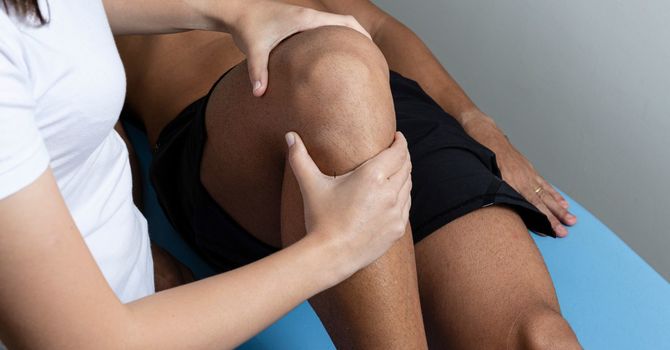
Your first visit involves a thorough assessment of shoulder mechanics, strength, range of motion, and movement patterns. Art Talampas evaluates how your entire shoulder girdle is functioning, not just where the tear is located. This matters because most shoulder injuries involve multiple layers of dysfunction beyond the site of pain.
Phase 1: Pain Control and Tissue Protection
Early treatment focuses on reducing pain and protecting healing tissue. Manual therapy techniques restore mobility without aggravating the injury. Joint mobilization and targeted soft tissue work reduce stiffness and improve circulation to the damaged area. You will also receive clear guidance on activity modification so you can stay functional throughout recovery without setting yourself back.
Phase 2: Strength and Stability Rebuilding
This is where rotator cuff physical therapy exercises become central to the program. Rotator cuff-specific strengthening targets the supraspinatus, infraspinatus, teres minor, and subscapularis muscles both individually and as an integrated system. Scapular stability work runs alongside this, because a poorly controlled shoulder blade is one of the most common and underappreciated drivers of rotator cuff overload.
Hudson Point Physical Therapy also offers Blood Flow Restriction Therapy, an advanced modality that allows patients to build meaningful muscle strength using very light resistance loads. For rotator cuff rehab, where heavy loading is contraindicated early on but muscle rebuilding is critical, this technique can meaningfully shorten the recovery timeline.
Phase 3: Functional and Sport-Specific Progression
As strength and stability return, treatment shifts toward the specific movements that matter to you. For a runner, that means restoring arm swing mechanics and upper body load tolerance. For a pitcher or weekend tennis player, it means progressing through overhead loading in a controlled sequence. For someone in a physical job, it means replicating real work demands before returning full-time.
Hudson Point's sports injury rehab program treats the whole athlete, not just the tissue, and every phase of treatment is built toward a clear, measurable functional goal.
Physical Therapy for Rotator Cuff Tears Without Surgery
One of the most valuable things patients learn is that physical therapy for rotator cuff tear without surgery is a legitimate, evidence-supported first-line treatment, not a waiting room while surgery gets scheduled.
Rotator cuff surgery carries real risks and demands a lengthy recovery. Most repairs require a sling for four to six weeks, followed by months of post-surgical physical therapy before full function returns. Patients who go directly into conservative physical therapy bypass those early restrictions entirely and often recover faster overall.
That said, not every rotator cuff tear can be managed without surgery. Large acute full-thickness tears in younger, high-demand athletes may require surgical repair for the best long-term outcome. Art Talampas is straightforward about this distinction. If physical therapy is not producing the expected progress within a reasonable timeframe, a surgical consultation will be recommended directly. The goal is always the best outcome for the patient, not adherence to a protocol.
Taking the First Step Toward Recovery in Poughkeepsie
Shoulder injuries that go untreated get worse over time. Tears that could have been managed conservatively become larger. Compensatory movement patterns create new injuries in the neck, elbow, and opposite shoulder. Muscle atrophy from disuse makes recovery longer and harder, whether or not surgery eventually becomes necessary.
Starting rotator cuff tear physical therapy early preserves strength, maintains mobility, and keeps your recovery timeline as short as possible.
Hudson Point Physical Therapy is located at 57 Cannon St in Poughkeepsie, NY. Telehealth physical therapy appointments are available for patients across New York who need flexible access to care. Clinic hours run Monday through Friday from 7am to 6pm, with Saturday appointments available by arrangement.
Call (845) 898-1588 or email admin@hudsonpointpt.com to schedule your evaluation. Recovery starts with one appointment.